

Beauty & skin
Sensitive skin: building a comfortable routine
Do less, observe better and choose gestures that are easy to repeat.
Read the guideUnderstand a topic, discover a habit or prepare a question. Themed guides to move forward without pressure.
Do less, observe better and choose gestures that are easy to repeat.
Read the guide
Describe the sensations before choosing a texture or changing its entire routine.
Read the guide
Find a cleaning compatible with make-up, rhythm of life and tolerance.
Read the guide
Associate product, clothing and organization of outputs rather than relying on a single application.
Read the guide
Talk about comfort, protection and expression rather than promise to make the years go away.
Read the guide
Prepare a useful description to distinguish transient reaction from persistent problem.
Read the guide
Associate softness, observation and use of a professional when the lesions become awkward.
Read the guide
A test method that allows us to know what has really changed.
Read the guide
Before adding a step, check its usefulness and skin tolerance.
Read the guide
Organize care around repeated gestures and daily constraints.
Read the guide
Include areas often forgotten in a simple and realistic routine.
Read the guide
Identify what changes during the cold season and adjust one step at a time.
Read the guide
Prepare a useful kit that focuses on the known products and needs of the stay.
Read the guide
Comfort during the day and evening withdrawal count as much as rendering.
Read the guide
Examine usage, limitations and maintenance before integrating technology into its routine.
Read the guide
Eating varied without turning each imperfection into a charge against a food.
Read the guide
Distinguish an aesthetic concern from a change that deserves consultation.
Read the guide
A short routine can meet clear needs without becoming a list of obligations.
Read the guide
Compare useful information instead of judging a formula on a single word.
Read the guide
Come with expectations, a routine and a few observations rather than a quest for perfection.
Read the guide
Putting words on the transition without turning every change into a diagnosis.
Read the guide
A concrete preparation to talk about symptoms and management options.
Read the guide
Prepare some adaptations and describe the episodes that disrupt everyday life.
Read the guide
Observe the awakenings and improve the organization of the night without assuming a single cause.
Read the guide
A simple survey to prepare the consultation and avoid automatic conclusions.
Read the guide
Ask an explicit question about contraception even when cycles change.
Read the guide
A common subject that deserves an appropriate answer rather than silence.
Read the guide
Describe the emotional impact and seek appropriate support without assigning everything to hormones.
Read the guide
Organizational strategies that leave open the search for causes.
Read the guide
Prepare practical adaptations while maintaining confidentiality.
Read the guide
A routine guided by comfort rather than a mandatory transformation.
Read the guide
A comprehensive approach that avoids food punishment and targeted promises.
Read the guide
Think about diet, adapted activity and personal risk assessment.
Read the guide
Put the movement at the service of daily gestures rather than an ideal silhouette.
Read the guide
Examine a proposal with its ingredients, limits and medical status.
Read the guide
Explain your experience and needs without having to justify each symptom.
Read the guide
Evaluate unusual changes rather than seek confirmation alone.
Read the guide
A simple plan based on the main embarrassment and available resources.
Read the guide
Identify the main difficulty in choosing the right level of support.
Read the guide
Address the subject according to your expectations, without imposed standard or performance obligation.
Read the guide
A flexible way to prepare varied meals without looking for a perfect plate.
Read the guide
A simple organization to think about proteins with flexibility and without universal dose.
Read the guide
Find simple additions and keep digestive comfort as a marker.
Read the guide
Build a small repertoire of dishes that suits your tastes and your time.
Read the guide
Check the present sources and package information before supplementation.
Read the guide
Understand the limits of a general council and prepare a discussion tailored to your situation.
Read the guide
A practical organisation adapted to the rhythm of life and possible medical restrictions.
Read the guide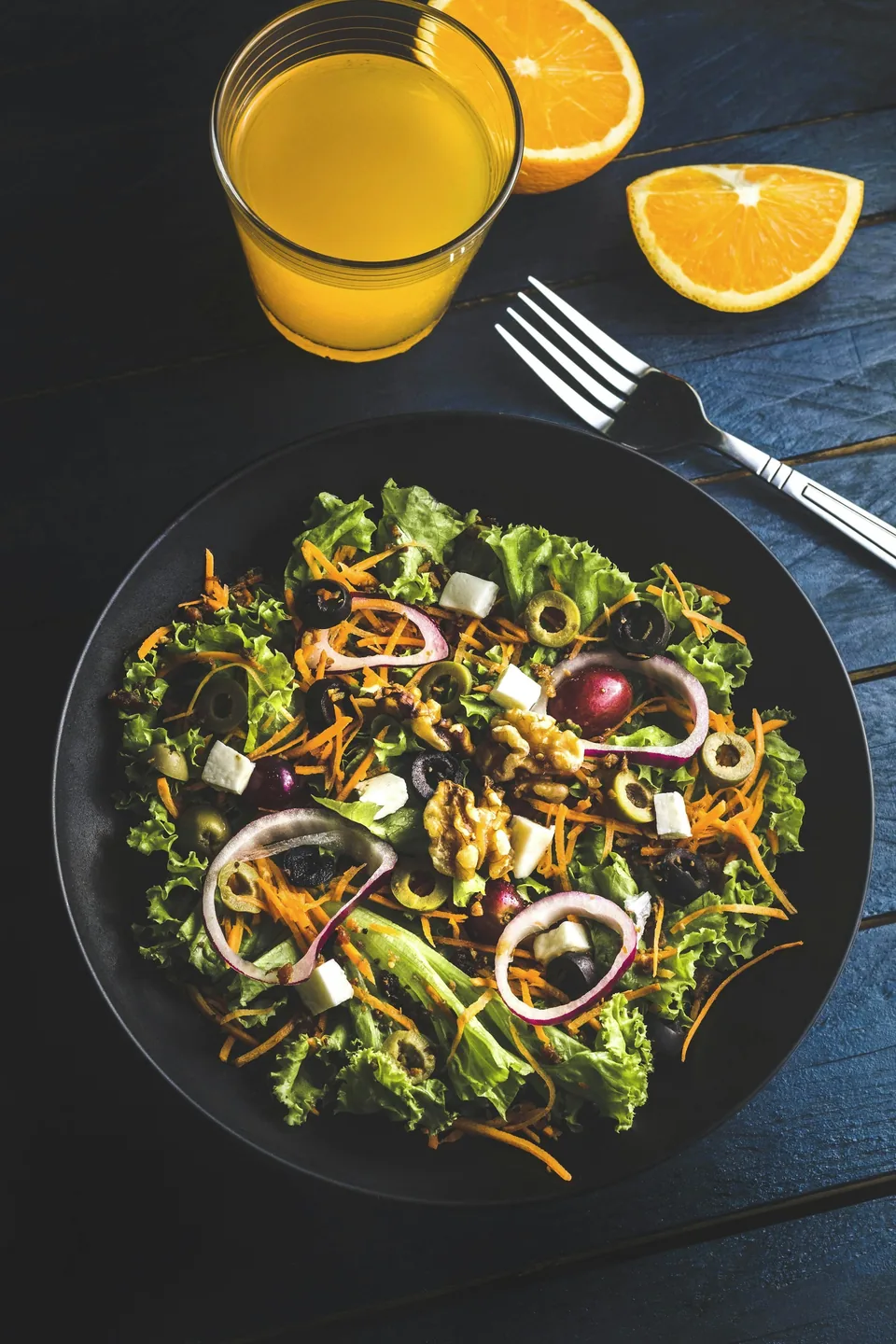
Prepare a useful narrative and avoid improvised elimination regimes.
Read the guide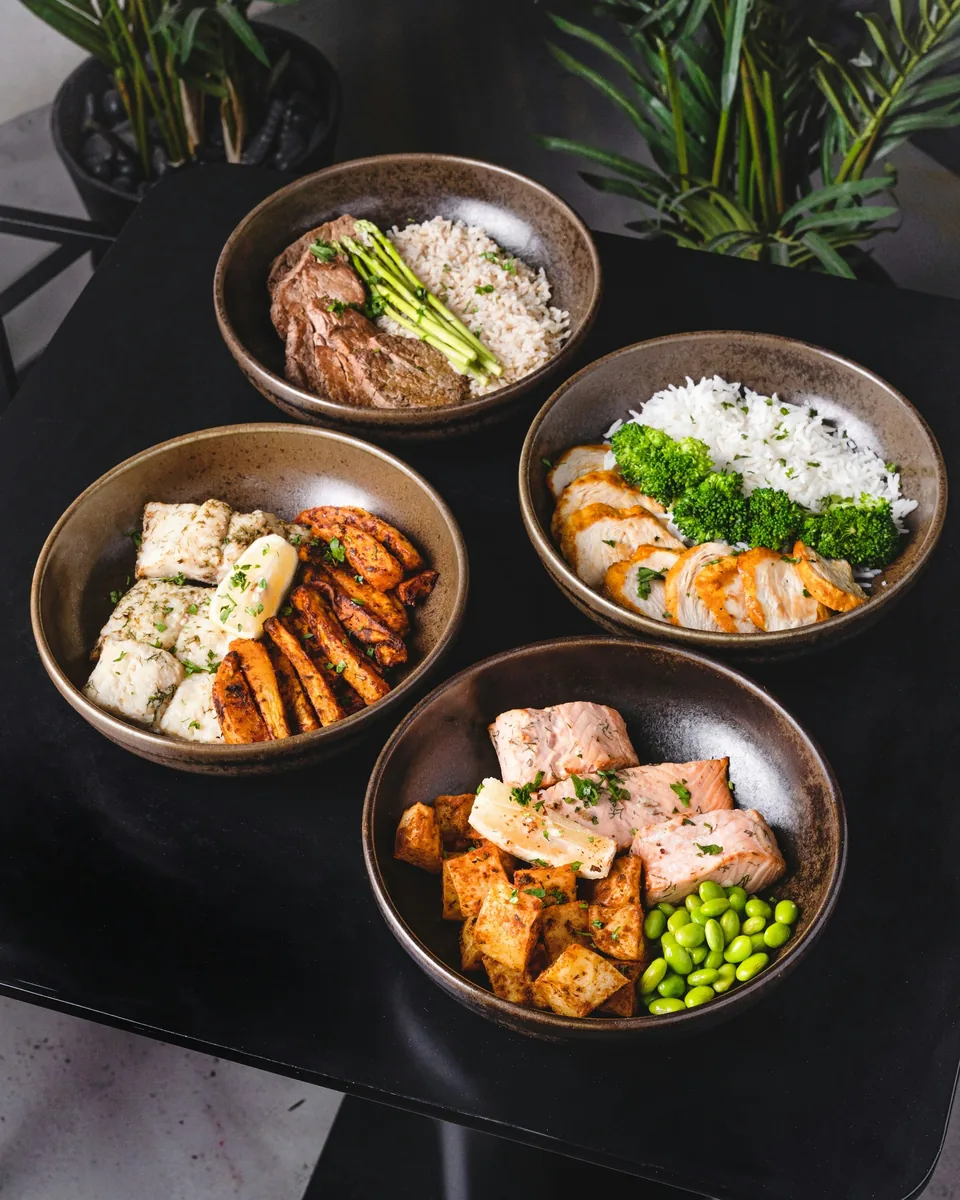
Make the difference between a marketing proposal and a health approach.
Read the guide
Compare similar products and keep the place of the whole meal.
Read the guide
Organize in the morning without making a meal a universal rule.
Read the guide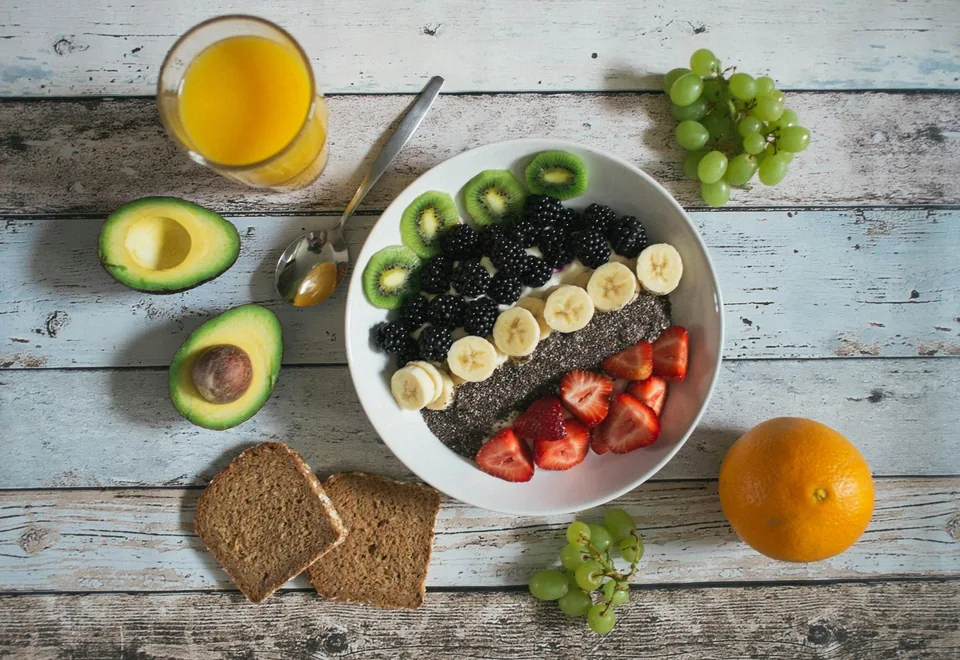
Distinguish a useful food break from an automatism that deserves to be understood.
Read the guide
Transform a general desire into a realistic and re-evaluateable action.
Read the guide
Keep the limits of the measurements and also monitor the capabilities of everyday life.
Read the guide
Review habits and expectations without automatically increasing restrictions.
Read the guide
A flexible list that reduces decisions and leaves room for unforeseen events.
Read the guide
Decide according to appetite and context without turning an outing into a test.
Read the guide
Choose a pleasant and realistic replacement for times when the drink is automatic.
Read the guide
A grid of questions to distinguish need, convenience and commercial promise.
Read the guide
Recognize when slimming advice further complicates daily life.
Read the guide
Describe the duration and impact before seeking a quick solution.
Read the guide
A simple preparation that improves the frame without promising a perfect night.
Read the guide
A light survey to describe the difficulty and its impact on the day.
Read the guide
Observe schedules and drinks before changing the entire daily.
Read the guide
Try a quiet moment by keeping a comfortable and unforced breath.
Read the guide
A concrete way to get the tasks out of the head and identify what can be shared.
Read the guide
An accessible, pleasant and suitable starting point for your level.
Read the guide
Make small opportunities for movement without turning the workstation into a gym.
Read the guide
A start centered on understanding gestures and a suitable progression.
Read the guide
Space security is a first step before the difficulty of exercises.
Read the guide
Distinguish pleasant movement, effort and pain before seeking maximum amplitude.
Read the guide
The movement can be adapted to the capacities and constraints of the moment.
Read the guide
Deploy its present capabilities and prepare a program that can last.
Read the guide
Observe fatigue and organize activities to maintain a sustainable practice.
Read the guide
Describe the discomfort and ask for advice if it is important or unusual.
Read the guide
A successful exit is due to the route, comfort and a margin of choice.
Read the guide
Explore a pleasant activity with suitable space and intensity.
Read the guide
Linking the reinforcement to a concrete task rather than an ideal silhouette.
Read the guide
Prepare several formats so that the movement does not depend on an ideal week.
Read the guide
A questionnaire designed to prepare a conversation and concrete objectives.
Read the guide
Identify circumstances, prepare a consultation and recognize signs that require prompt assistance.
Read the guide
A guide for reading offers to knowingly choose and avoid unnecessary restrictions.
Read the guide
An observation sheet to tell the episodes, preserve the food variety and ask for the right opinion.
Read the guide