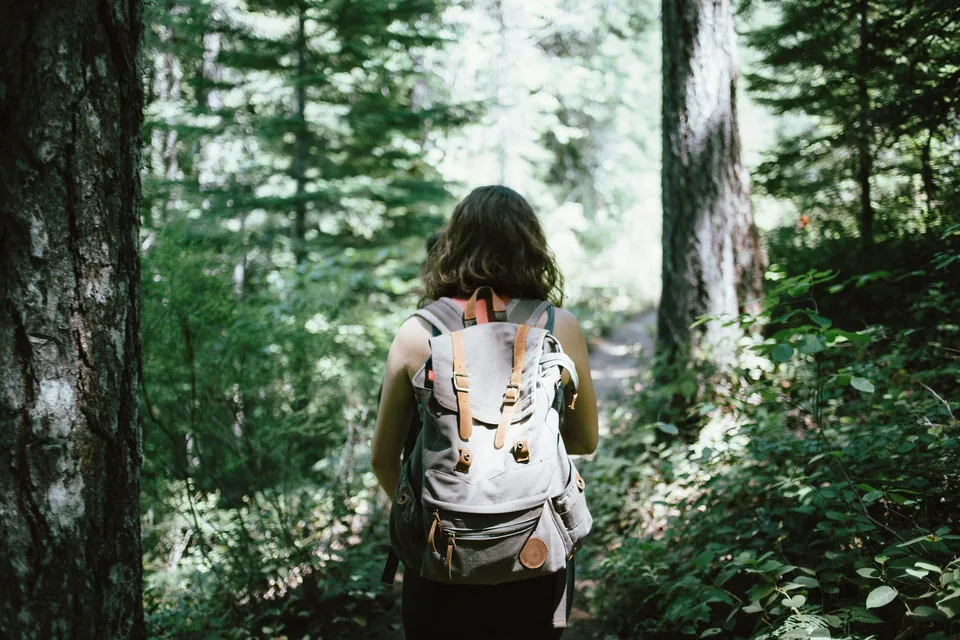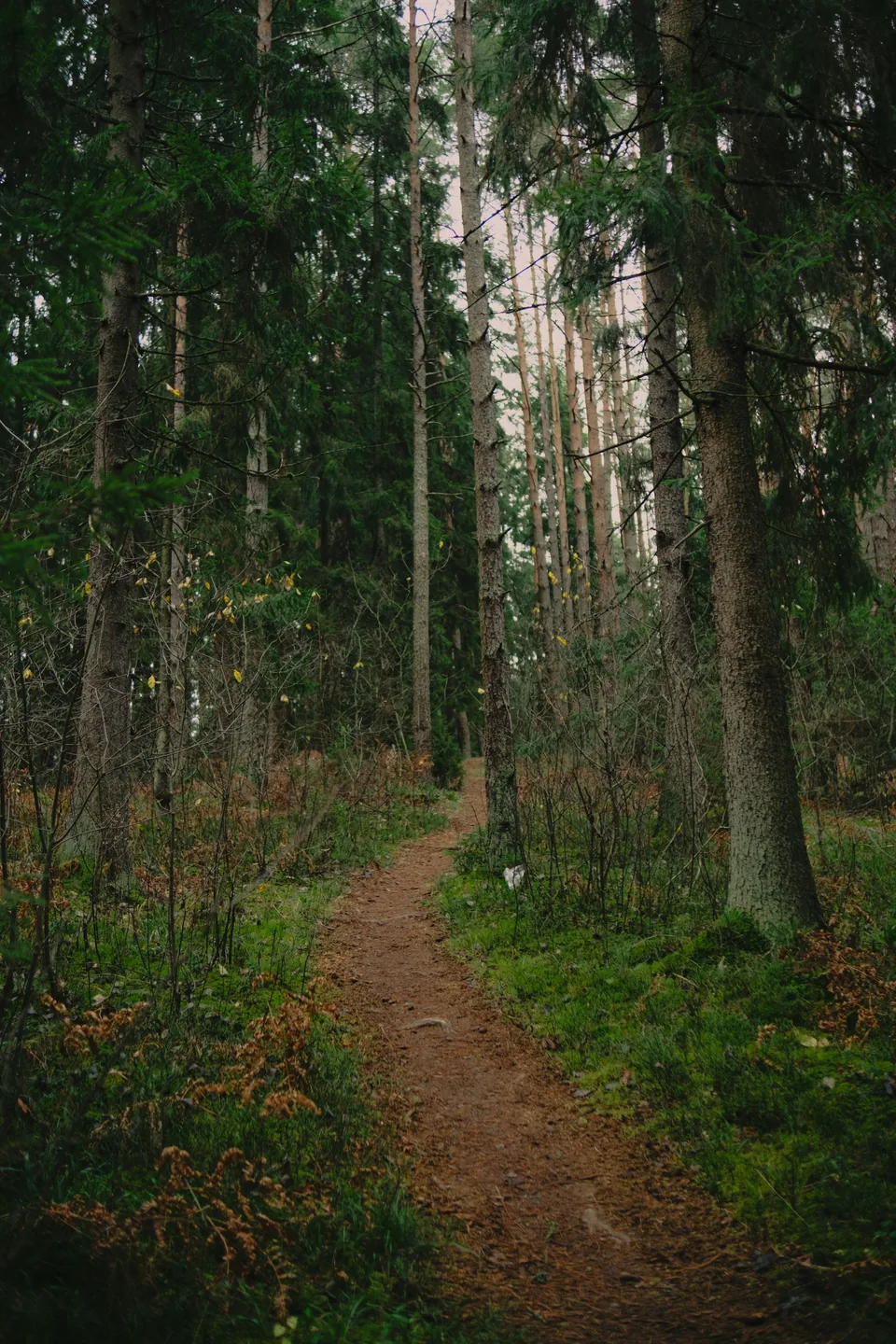
Outside can be close
It is not necessary to go far to organize a walk. A park, a quiet street or a known route can become a pleasant appointment. The choice must take into account your abilities, weather and safety, not just a landscape photograph.
Prepare without overloading
Find the likely duration, the places where you can stop and the possibility of returning earlier. Choose comfortable shoes and the protections adapted to the conditions. If you listen to content, keep sufficient attention to the environment. An accompanied outing may also be a moment of conversation.
- Choose a course with an alternative return.
- Check local conditions before a longer exit.
- Assess your ease rather than an imposed speed target.
An example to adapt to your daily life
You choose a longer exit because the landscape attracts you. Also check the return, the conditions and the points where you can stop. A pleasant journey can become difficult if you have not planned an alternative. Start with a version compatible with your current ease. If you leave with someone, explain your needs before departure. A successful walk allows you to come back without forcing you to follow a group too fast.
What the assessment can say
Note the courses enjoyed and those that were too difficult. This allows to build an activity that makes you want to come back. A disproportionate shortness of breath or pain must be discussed; a nice frame does not make any appropriate intensity.
Useful questions for your next exchange
- How long is realistic for this release?
- Where can I shorten or interrupt the course?
- What symptoms require you to ask for help?
This content is informative and does not replace a personalized medical opinion. A new, persistent or worrying symptom deserves a discussion with a health professional.
Sources and references
Check the original documents for updates. AGEWORLD4U texts are original summaries.