A journey you know
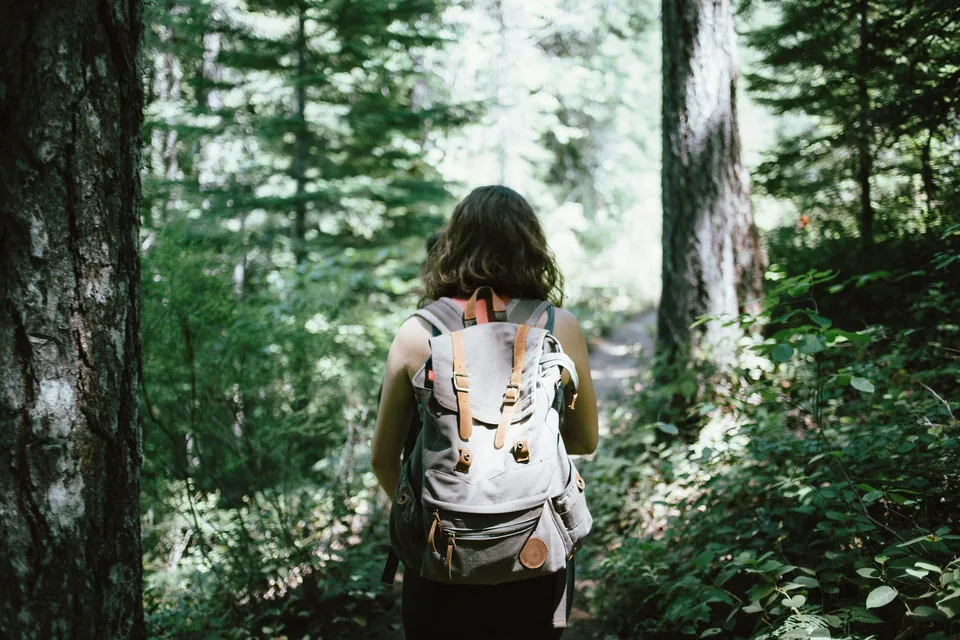
Walking can be a simple way to increase activity. To resume, a familiar route allows you to know where the benches, the difficult passages and the possible return. The good exit is one that respects your current abilities, not the one that impresses on an application.
Prepare the first exit
Choose comfortable shoes, a realistic moment and an alternative if the weather changes. You can start short and adjust gradually. A accompanied walk can make the appointment more enjoyable. If you have limitations or a disease, have the appropriate level of activity checked.
- Identify a course with an easy return.
- Provide water and protection according to conditions.
- Note comfort during exit and the next day.
An example to adapt to your daily life
To resume, you choose a close journey with a bench and a shorter return possibility. Note the comfort at the end and the next day. If the exit was pleasant, keep this course as a base rather than looking for immediately longer. A accompanied walk can make the appointment easier to hold. If an discomfort appears, describe it and ask for an adaptation. Progress does not need to follow the rhythm of another person.
Measure differently
You can follow regularity and ease rather than a prescribed number of steps. Unusual pain or disproportionate shortness of breath requires advice. Walking contributes to movement, but does not automatically replace all other components of a suitable program.
Useful questions for your next exchange
- What's the course for my current abilities?
- What symptoms should I stop?
- How do we gradually evolve the march?
This content is informative and does not replace a personalized medical opinion. A new, persistent or worrying symptom deserves a discussion with a health professional.
Sources and references
Check the original documents for updates. AGEWORLD4U texts are original summaries.